


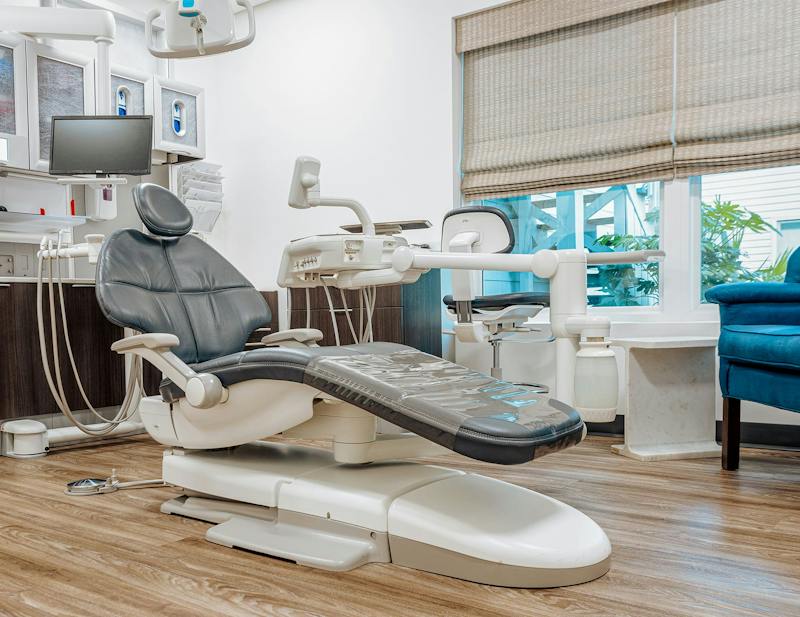
Dental implant surgery is one of the most predictable ways to replace missing teeth, but the idea of sitting through it can still cause real worry. Patients considering dental implant surgery in Charleston, SC have three main sedation paths to ease that worry: nitrous oxide, oral conscious sedation, and IV sedation. Charleston Center for Cosmetic and Restorative Dentistry offers all three, and Dr. John Rink tailors the choice to each patient's anxiety level, medical history, and the complexity of the implant procedure. This guide breaks down how each option works, what they cost in time and recovery, and how to decide which one fits.
Why Dental Anxiety Matters for Implant Surgery
Dental anxiety keeps a meaningful share of patients from getting care they need. According to Dental Fear Central, roughly 36% of adults in the United States experience some degree of dental anxiety, and about 12% suffer from severe dental phobia that can delay or prevent treatment altogether. For someone facing implant placement, that fear often centers on the drill, the numbing injection, or simply losing a sense of control in the chair.
Sedation dentistry exists to address exactly that gap. It does not replace local anesthesia, which still numbs the surgical site. Instead, it changes how aware and anxious a patient feels while the numbing does its job. The American Dental Association recognizes several levels of sedation and anesthesia used in dental settings, ranging from minimal sedation to deep sedation, each matched to the procedure and the patient.
Patients who avoid the dentist because of fear tend to arrive with more advanced bone loss or failing teeth by the time they seek implants. Sedation options can make that first consultation and the surgery itself far more approachable, which is often the difference between delaying care for years and finally moving forward.
What Sedation Options Are Available for Dental Implant Surgery?
Three sedation methods are commonly used for dental implant procedures, and each offers a different depth of relaxation:
- Nitrous oxide (laughing gas), a mild, inhaled sedative that wears off within minutes of removing the mask
- Oral conscious sedation, a prescribed pill taken before the appointment that produces a deeper, longer-lasting calm
- IV sedation, medication delivered directly into the bloodstream for rapid, closely controlled sedation during more involved surgery
The right choice depends on the number of implants being placed, whether bone grafting is involved, and how anxious the patient feels walking in the door. Dr. Rink reviews each patient's health history and surgical plan during the consultation before recommending a specific approach.
How Nitrous Oxide Sedation Works During Implant Placement
Nitrous oxide is the lightest sedation option, delivered through a small nasal mask throughout the procedure. Patients stay fully conscious and able to respond, but the gas takes the edge off nervousness and dulls the perception of pressure.
Because nitrous oxide clears the system within minutes of removing the mask, patients can typically drive themselves home afterward. It works well for single-implant cases or for patients whose anxiety is mild but still enough to make them dread the appointment.
What to Expect With Oral Conscious Sedation
Oral conscious sedation uses a prescribed anti-anxiety medication, usually taken about an hour before the appointment. The medication produces a drowsy, deeply relaxed state, and many patients have little to no memory of the procedure afterward.
Onset is slower than other methods. Oral sedatives generally take 30 to 60 minutes to reach full effect, so timing the dose correctly matters. Because the sedation lingers well past the appointment, patients need a driver and should plan to rest for the remainder of the day.
This option suits patients with moderate to severe dental anxiety, longer implant procedures, or several implants planned in one visit.
How IV Sedation Supports Complex Implant Cases
IV sedation delivers medication straight into the bloodstream through a small intravenous line, which allows the sedation level to be adjusted in real time throughout surgery. According to the American Dental Society of Anesthesiology, IV sedation typically reaches peak effect within 2 to 3 minutes, compared with 30 to 60 minutes for oral conscious sedation.
That speed gives the surgical team far greater control. If a case runs longer than expected, such as when bone grafting or multiple implant sites are involved, the sedation depth can be adjusted on the spot rather than waiting for another dose to take hold. Patients are monitored closely throughout, and most recall little to nothing of the procedure once it's finished.
IV sedation is generally reserved for full-arch implant cases, All-on-X procedures, or patients with significant dental phobia who need deeper relaxation than a pill can provide.
Comparing Oral, IV, and Nitrous Sedation for Dental Implants
|
Sedation Type |
Onset Time |
Depth of Relaxation |
Recovery |
|
Nitrous Oxide |
Almost immediate |
Mild |
Minutes; can drive home |
|
Oral Conscious Sedation |
30 to 60 minutes |
Moderate to deep |
Rest of the day; needs a driver |
|
IV Sedation |
2 to 3 minutes |
Adjustable, moderate to deep |
Several hours; needs a driver |
Nitrous oxide offers the fastest recovery but the lightest effect. Oral sedation reaches a deeper state but takes longer to kick in and leaves patients groggy well after the appointment ends. IV sedation splits the difference on onset speed while giving the surgical team the most control, which is why it's often favored for longer or more complex implant surgery. Patients interested in the surgical process can also review the dental implant surgery page for an overview of what to expect.
How Sedation Can Lower Anxiety During Implant Surgery
The benefit of sedation goes beyond comfort in the moment. Aggregate clinical research summaries suggest that patients receiving sedation report anxiety scores more than 70% lower during implant surgery compared with local anesthesia alone. Lower anxiety during the procedure often translates into a smoother appointment, less movement in the chair, and an easier recovery period afterward.
For patients who have avoided dental care for years because of fear, this shift matters. Sedation doesn't just make one appointment more tolerable; it can change a patient's entire relationship with dental visits going forward.
Are You a Candidate for Sedation Dentistry?
Most healthy adults qualify for at least one form of sedation, though the right fit depends on a few factors:
- Level of dental anxiety or phobia, from mild nervousness to severe avoidance
- Complexity of the implant procedure, including how many implants and whether grafting is needed
- Overall medical history, including heart conditions, respiratory issues, and current medications
- Personal preference for staying alert versus feeling fully relaxed throughout
Dr. Rink and the team at Charleston Center for Cosmetic and Restorative Dentistry review all of this during the consultation before recommending a sedation plan. Patients with certain health conditions may need medical clearance before IV or oral sedation, while nitrous oxide is appropriate for nearly everyone.
What Is AACD Accreditation, and Why Does It Matter for Sedation and Implant Care?
The American Academy of Cosmetic Dentistry (AACD) is the world's leading organization dedicated to aesthetic and restorative dentistry. Accreditation through the AACD requires a written exam, submission of documented clinical cases across multiple procedure types, and an oral examination that verifies the dentist's diagnostic and treatment planning skills. It's widely considered the gold standard credential in cosmetic dentistry.
Dr. Rink is Charleston's first AACD-accredited dentist and remains one of fewer than 450 dentists worldwide to hold this status. That level of scrutiny extends to how implant cases are planned and executed, including the judgment calls around which sedation approach fits a given patient and procedure.
For implant patients, that distinction is practical, not just symbolic. Full mouth reconstructions, All-on-X cases, and smile makeovers involving implants require the same precision and artistry as purely cosmetic work, and an accredited dentist has demonstrated that skill under independent review rather than self-report.
Why Choose Charleston Center for Cosmetic and Restorative Dentistry for Sedation Dentistry in Charleston
Patients choosing sedation for dental implant surgery in Charleston benefit from Dr. Rink's more than 40 years of experience and over 30,000 cases performed. His training includes a fellowship in implant dentistry from the Bowman-Gray School of Medicine, along with continuing education through the L.D. Pankey Institute and Baylor College of Dentistry.
The practice combines that clinical background with modern comfort measures, including sedation options tailored to each patient's needs. For anyone who has put off implants out of fear, that combination of experience and a calm, supported experience often makes the difference.
FAQs
Is sedation safe for dental implant surgery?
Sedation dentistry is widely used for implant procedures and is considered safe for most healthy adults when administered by a trained dental team that monitors vital signs throughout. A thorough medical history review before treatment helps identify anyone who may need extra precautions.
Will I feel pain during implant surgery if I choose sedation?
Sedation manages anxiety and awareness, while local anesthesia numbs the surgical site itself, so the two work together. Most patients report feeling little to no discomfort during the procedure.
How long does sedation last after dental implant surgery?
Nitrous oxide clears within minutes. Oral conscious sedation and IV sedation can leave lingering grogginess for several hours, so patients should arrange a driver and plan to rest for the remainder of the day.
Can I choose which sedation option I want?
Patient preference is part of the conversation, but the final recommendation depends on the complexity of the implant case and any relevant health considerations. Dr. Rink discusses the options during the consultation and helps each patient decide.
Ready to Discuss Sedation Options With Dr. Rink?
Fear shouldn't be the reason a missing tooth goes unaddressed for years. Charleston Center for Cosmetic and Restorative Dentistry offers nitrous oxide, oral conscious sedation, and IV sedation so patients can choose the level of comfort that fits their needs. Schedule a consultation with Dr. John Rink to talk through implant options and find the sedation approach that makes the process feel manageable.
Sources
- American Dental Association, Anesthesia and Sedation: https://www.ada.org/resources/research/science-and-research-institute/oral-health-topics/anesthesia-and-sedation
- Dental Fear Central, Sedation Dentistry: https://www.dentalfearcentral.org/help/sedation-dentistry/
- American Dental Society of Anesthesiology: https://www.adsahome.org/